
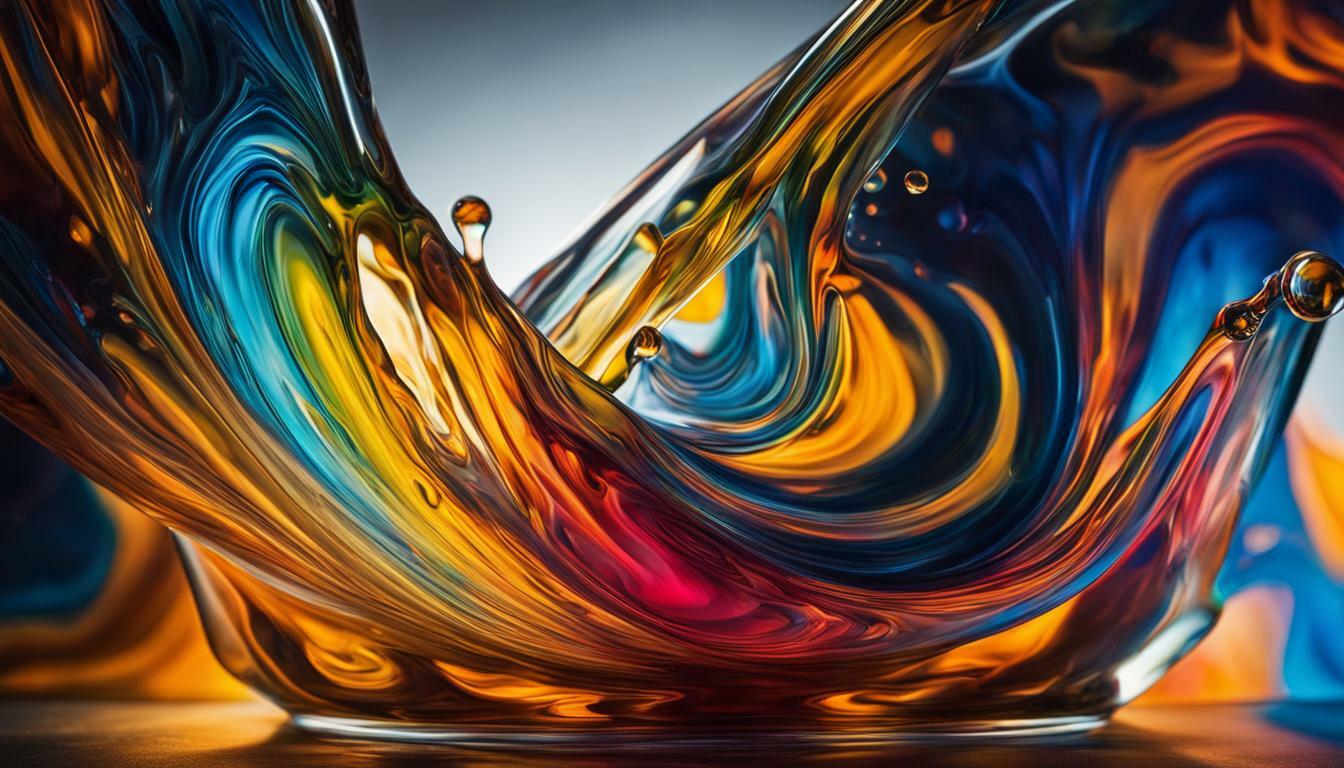
Are you ready to make a splash with your photography skills? Look no further than liquid photography – a captivating art form that showcases the beauty and fluidity of motion in still images. Whether you’re a seasoned photographer or just starting, these six tips will help you take your liquid photography to the next level.
Key Takeaways:
- Learn about various liquid photography techniques to enhance your shots
- Get inspired by stunning examples and images
- Explore tips and tricks for capturing fluid motion
- Unleash your creativity with unique ideas for liquid photography
- Incorporate special effects to take your images to the next level
- Glean insights from renowned liquid photography artists to help develop your signature style
Understanding the Basics of Liquid Photography
So, you’ve decided to venture into the captivating world of liquid photography. Before you get started, it’s important to understand the basic techniques and equipment needed to capture fluid motion in all its glory.
First, you need a camera with a high shutter speed setting. This allows you to freeze the action and capture the perfect moment of liquid motion. A tripod is also an essential tool, providing stability and enabling precise composition.
Lighting is also crucial for liquid photography. Natural light is ideal, but if you’re working indoors, you may need to experiment with different types of artificial lighting to achieve the desired effect. Reflectors and diffusers also come in handy when manipulating light sources.
When selecting liquids to photograph, choose those with interesting properties, such as viscosity or color. Water, milk, and oil are popular options, but don’t be afraid to get creative and experiment with other liquids.
Finally, post-processing can make a significant difference in enhancing your liquid photography. Editing software such as Lightroom or Photoshop can help to adjust colors, contrast, and other settings to achieve the desired effect.
Camera Settings for Liquid Photography
When it comes to camera settings, there are a few things to keep in mind. First, use a high shutter speed to freeze the liquid’s motion. A speed of at least 1/1000th of a second is recommended, but adjust according to the speed and direction of the liquid motion.
Aperture is another important camera setting. A wide aperture (small f-number) allows for a shallow depth of field, blurring the background and isolating the liquid in the foreground. However, if you want a sharper image, use a narrower aperture (larger f-number).
ISO settings should be kept as low as possible to reduce image noise. Start with an ISO of 100 and increase only if necessary.
Finally, experiment with different angles and compositions to capture the liquid interestingly and engagingly. You never know what interesting effects or shapes you might create!
Capturing Liquid Motion: Tips and Tricks
You’ve got the basics of liquid photography down, and now it’s time to take your shots to the next level. These six tips and tricks will help you capture the fluid motion of liquids and create stunning images that will leave your audience in awe. So let’s dive in!
- Freeze the action: To capture a moment in time, you need to be quick on the shutter. Set your camera to a high shutter speed (1/1000 or higher) to freeze the action and capture the liquid in motion. You may also want to use burst mode to capture a series of shots and select the best one.
- Experiment with angles: The angle you shoot from can make a big difference in your liquid photography. Try shooting from different angles – top-down, side view, or even from below to create unique perspectives. You can use a tripod or a sturdy surface to keep your camera steady and experiment with different angles.
- Control the lighting: Proper lighting is key to capturing the beauty of liquid motion. You can use natural light or artificial light sources to create the perfect lighting conditions. Experimentedd with different light sources, such as LEDs or flashlights, to achieve the desired effect. You can also use a diffuser or reflector to control the light and avoid reflections.
- Get creative with backgrounds: A plain white background may be a classic choice for liquid photography, but you can make your shots pop by experimenting with different backgrounds. Try shooting against a colored or textured background to add depth and visual interest to your images.
- Use props for added interest: Add a touch of creativity to your liquid photography with props. Experiment with different materials, such as glass or metal surfaces, and see how they interact with the liquid. You can also add food coloring or glitter to the liquid to create visual effects.
- Embrace imperfection: Liquid photography is all about capturing the unpredictable nature of fluids. Don’t be afraid to embrace imperfections and experiment with different techniques. You may be surprised by the stunning shots you can capture when you let go of perfectionism.
With these tips and tricks, you’ll be able to capture the beauty of liquid motion and create images that stand out. Remember to keep experimenting and trying new things – you never know what stunning shots you’ll discover!
Exploring Creative Ideas for Liquid Photography
Congratulations! You’ve mastered the basics of liquid photography and captured some impressive shots. Now’s the time to unleash your creative side and experiment with unique ideas that set your images apart from the rest.
Think Outside the Box
Don’t restrict yourself to conventional liquids like water and milk. Get creative with everyday items and see how they transform in front of the camera. For example, try capturing the vibrant colors of ink as it drops into water or the swirling patterns created by pouring oil into a glass container.
Play with Texture
Textures add depth and visual interest to your photos. Experiment with liquids that have different viscosities and consistencies, such as honey, syrup, or cream. Capture the intricate patterns created by dripping honey onto a surface or the mesmerizing swirls created by mixing cream into coffee.
Get Inspired by Nature
Nature provides a wealth of inspiration for liquid photography. Capture the fleeting beauty of raindrops on a leaf or the mesmerizing patterns created by waves crashing on the shore. Experiment with different lighting and camera settings to capture the essence of nature’s fluid motion.
Try High-Speed Photography
High-speed photography uses a specialized camera to capture incredibly fast movements. Use this technique to capture liquids in motion, such as a splash of water hitting a surface or the intricate patterns created by pouring a liquid quickly.
Add Props and Backgrounds
Props and backgrounds can add interest and context to your photos. Experiment with different objects, such as glassware, utensils, and fabrics, to create unique compositions. Use colored backgrounds or interesting textures to add depth and contrast to your images.
With these creative ideas, you can take your liquid photography to the next level and create stunning images that showcase the beauty of fluid motion. Don’t be afraid to try new techniques and experiment with different liquids and props. Get creative and have fun!
Enhancing Your Liquid Photography with Special Effects
Capturing the fluid motion of liquids is already an impressive feat, but why stop there when you can add a touch of magic to your images?
By incorporating special effects, you can take your liquid photography to the next level and create stunning visuals that leave viewers in awe.
Colored Liquids
One way to add visual interest to your liquid photography is by using colored liquids. You can experiment with various hues and create a rainbow of colors in your shots.
You can also try layering different colors to create a beautiful gradient effect or using complementary colors to make the liquid pop. Just be sure to use non-toxic dyes or food coloring, especially if you plan on shooting with edible liquids like juice or milk.
Reflections
Reflections are another great way to add depth to your liquid photography. By shooting your liquid onto a reflective surface, you can capture both the liquid itself and its reflection.
Pro tip: Try using a black or white background for maximum impact. A black background creates dramatic contrast, while a white background gives your image a clean, minimalist look.
Overlays
Adding overlays to your liquid photography can create a dreamy and surreal effect. You can use textures like glitter or smoke to enhance the visual interest of your image.
Alternatively, you can use Photoshop or other editing software to add digital effects such as bokeh or lens flares. Just be mindful not to overdo it and keep the focus on the liquid’s fluid motion.
With these special effects, you’ll be able to elevate your liquid photography game and create images that truly stand out. So go ahead, experiment with different techniques, and unleash your creativity!
Showcasing Liquid Photography: Examples and Inspiration
You’ve learned the techniques, studied the basics, and explored creative ideas for liquid photography. Now it’s time to gain some inspiration and see what stunning images you can capture with your newfound skills.
Take a look at the works of talented liquid photography artists such as Mark Mawson, who has perfected the art of capturing stunning colors and patterns in his underwater liquid photography. Or check out the surrealist works of Christoffer Relander, who creates mesmerizing images using multiple exposures and liquid-filled jars.
But you don’t have to be a professional to create beautiful liquid photography images. With a little creativity and experimentation, you can capture stunning shots that showcase the beauty of fluid motion. Try using different liquids such as oil, milk, or even beer to create unique textures and colors. Or experiment with lighting and angles to create a sense of depth and drama in your images.
Don’t forget to share your creations with the world! Whether you’re posting on social media or displaying your images in a gallery, showcasing your liquid photography can inspire others to explore this exciting art form.
So grab your camera, experiment with different techniques, and let your imagination run wild. With liquid photography, the possibilities are endless.
