
Quick answer
Start by asking the person what kind of portrait they want. Choose a comfortable location, use soft light, and give them room to sit or move as they prefer. A familiar activity or meaningful object can make the photograph more personal than a formal pose.
A good portrait of an older adult starts with the person, not their age. Some people want a polished headshot; others would rather be photographed at home, with family, or doing something they enjoy. Agree on that direction before choosing a lens or location. These seven ideas give you a practical way to plan and photograph the session.
1. Ask what they want to see in the photograph
Talk about where the picture will be used. A small print for a grandchild, a family portrait, and a professional profile photo call for different framing. Ask whether they prefer a formal or relaxed image and whether there are features they particularly like. Show a few frames during the session so they can steer the result.
2. Choose a place where they feel at ease
A living room, garden, workshop, or favorite walking route may say more about someone than an unfamiliar studio backdrop. Check the location before the shoot: Is there a place to sit? Is the walking distance reasonable? Will you have enough light at the planned time? A comfortable setting also makes it easier to spend a few minutes adjusting the photograph instead of rushing.
3. Use soft light, then watch the eyes
Near a large window, turn the subject slightly toward the light and look for a clear catchlight in the eyes. Outside, open shade or a cloudy sky often gives you softer shadows than direct midday sun. If one side of the face is too dark, a light wall or reflector can fill it gently. Check the background as well: a bright window behind the subject can pull attention away from the face.
4. Offer a seated pose without making it the only option
A stable chair lets someone relax and gives you time to work on their expression and hands. Ask them to sit at a slight angle, then turn their face toward the camera. Keep both feet supported if possible. If they would rather stand or walk, photograph them that way. Avoid directing a pose that strains the neck, back, or hands merely because it looks good in a sample image.
5. Give the hands something natural to do
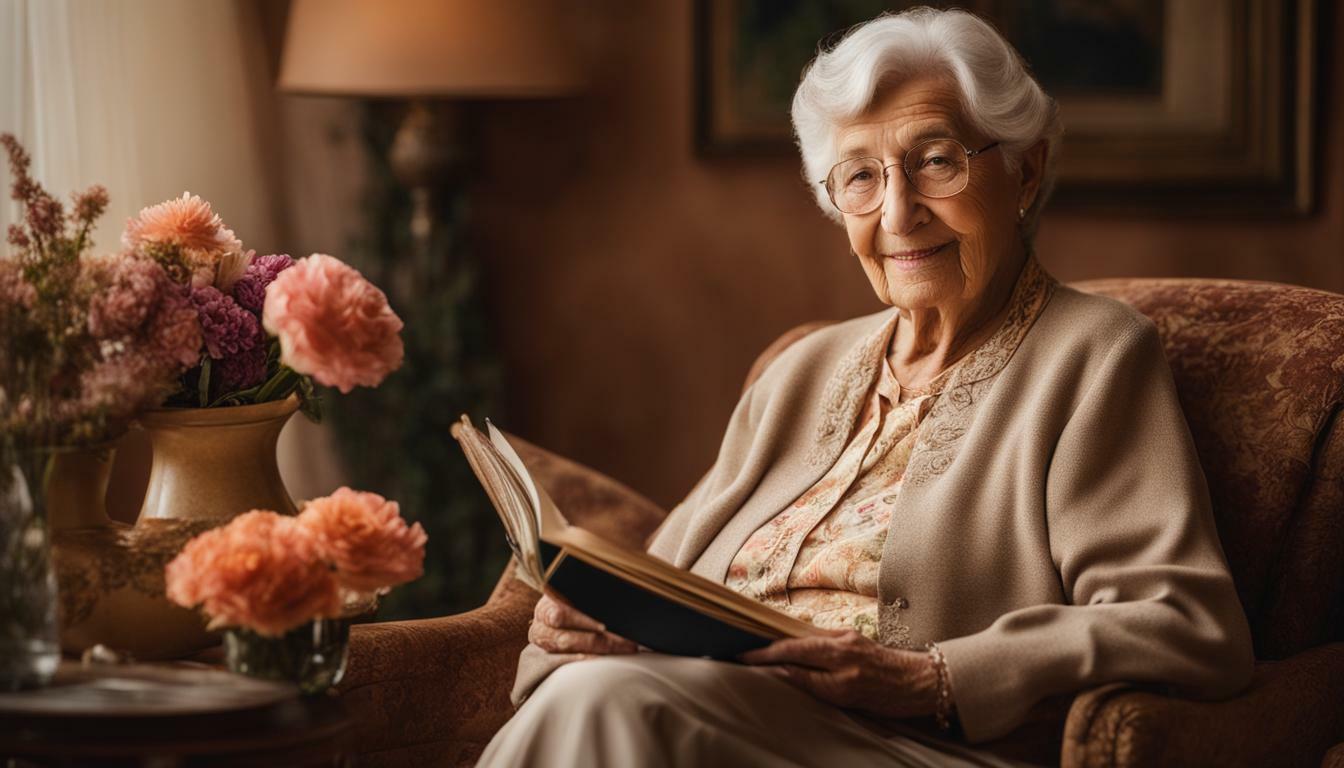
Hands can rest on the chair arm, hold a book, work on a craft, or touch a loved one’s shoulder. Choose an action the person actually does. Photograph the activity and then move in for a closer portrait. A detail of hands may be a useful companion image, but it should not replace the face if the goal is a portrait.
6. Photograph relationships and routines
If the person wants family in the picture, start with a straightforward group portrait so you have the essential shot. Then photograph smaller interactions: two people talking, a shared task, or a pet settling beside them. Let people know when you are photographing candid moments, and check that everyone included is comfortable with the images being used or shared.
7. Edit for the person, not a generic idea of youth
Adjust exposure and color so skin looks natural, and remove temporary distractions if the subject wants that. Avoid heavy smoothing that erases the features and expressions the photograph is meant to preserve. Show the selected images and ask which one feels most like them. Their preference matters more than a preset.
You do not need seven elaborate setups. One comfortable location, good light, and a short conversation can produce several distinct portraits: a direct view, a wider environmental frame, and a photograph of the person with someone or something meaningful to them.
Frequently asked questions
How do you photograph an older adult naturally?
Ask what kind of image the person wants, choose a comfortable setting and give simple prompts. A familiar activity can create a natural expression without forcing a pose.
What lighting works for portraits of older people?
A large window or open shade gives soft light that can be adjusted by turning the subject. Watch the eyes and background rather than applying one age-based lighting rule.
Should an older person sit for a portrait?
Offer a stable chair if it helps comfort, but let the person choose to sit, stand or walk. Avoid poses that strain the neck, back or hands.
How much should I retouch an older person portrait?
Correct exposure and color, and discuss temporary distractions with the subject. Avoid smoothing away features that make the person recognizable unless they specifically request a change.
What should I ask before an elderly portrait session?
Ask where the picture will be used, which setting feels comfortable, whether family or pets should join, and which images the person is happy to share.
