
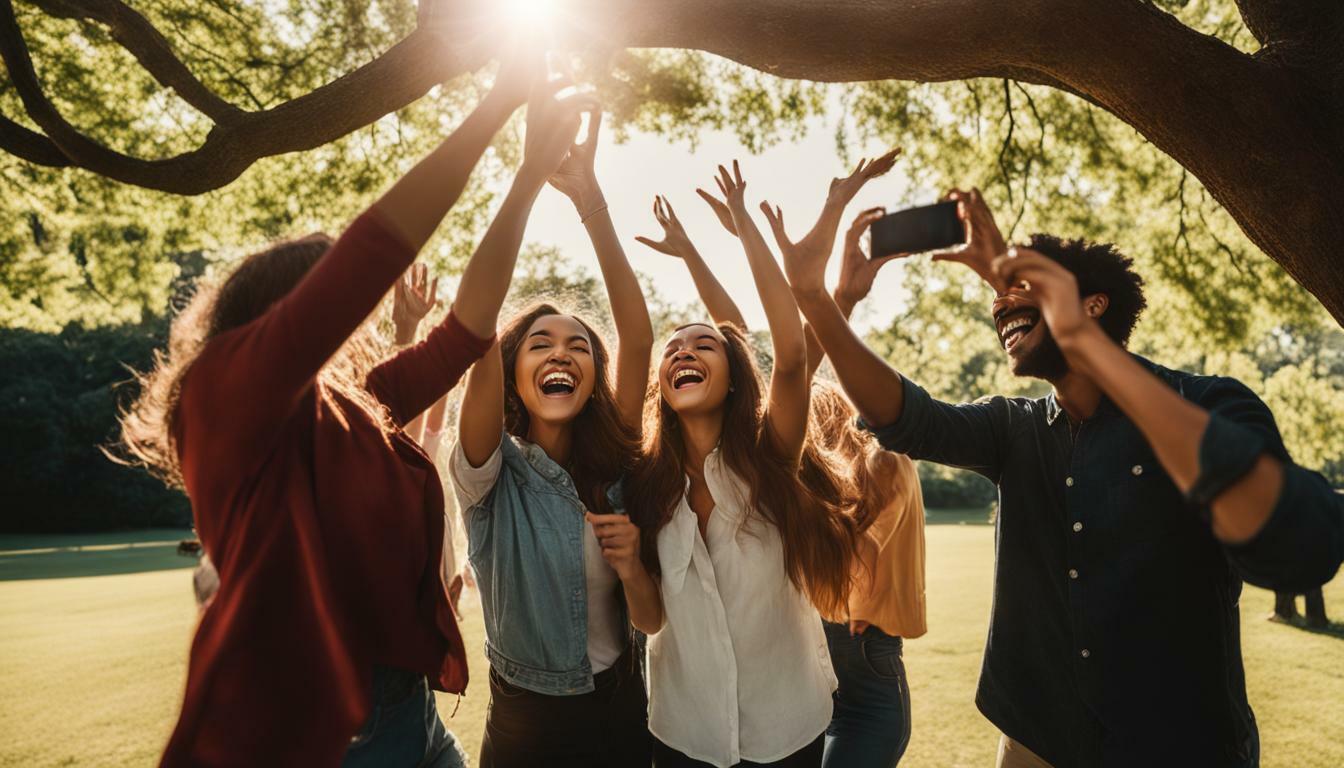
Seven ways to capture a lively event
- Make a short shot list. Ask the host which people and moments matter: arrivals, a toast, a performance, a group portrait. Leave room for unscripted pictures.
- Check the light early. Take test frames in the main room before guests arrive. Watch for mixed color from windows and lamps, and know when flash is allowed.
- Set a safe starting exposure. Use a shutter speed that can hold moving people reasonably sharp and raise ISO when needed. Review a few frames at full size; a bright camera screen can hide motion blur.
- Photograph relationships. A wide scene establishes the setting, while a tighter frame shows who is talking, listening or reacting. Change position to keep faces visible.
- Do not demand laughter. Give people something simple to do for a group photo, then watch the interaction between formal frames. Forced jokes can make subjects uncomfortable.
- Respect boundaries. Ask before photographing a private conversation or a child. Follow the event’s rules about posting images, particularly when guests expect a closed gathering.
- Edit for a sequence. Select a clear opening image, varied moments and a useful ending. Remove near-duplicates; a gallery of fifty similar smiles tells less than a smaller set with context.
If you are hired to deliver photographs, agree in advance on coverage, timing and the form of delivery. That practical plan frees you to pay attention when the unscripted moments happen.
Set up for changing light and motion
At a reception, first find where the important moments will happen: a lectern, dance floor, doorway or table. Make test frames at each position. If people move quickly, start around 1/250 second and inspect the results; faster movement may need a shorter exposure, while a posed group can allow a slower one if everyone stays still. Open the aperture or raise ISO as the light changes. These are starting points, not settings that work in every room.
If flash is permitted, learn whether bounced light is possible before a speech begins. A dark or colored ceiling may make bounce ineffective. If flash is prohibited, position yourself where existing light falls on faces and watch shutter speed closely. Check a frame at 100% for missed focus and motion blur. A camera’s rear display can make a soft image look sharp.
Build a gallery that explains the event
Think in sequences. A useful set might include the venue before guests arrive, a host greeting someone, the toast, listeners reacting and a detail that identifies the occasion. During a performance, take one frame of the performer and another that includes the audience. The second frame can explain scale and atmosphere in a way a tight face crop cannot.
Confirm the delivery brief before shooting: how many edited images, whether names or captions are required, and whether the client expects photographs during the event for social posts. For a private gathering, clarify who may receive the gallery and whether images may be shared publicly. Those decisions affect what you photograph and how you deliver it.
At edit time, remove blink frames and repeated versions of the same moment. Keep a technically imperfect picture only when its information or emotion matters more than the flaw and the client can use it. A varied sequence usually helps the viewer follow the event better than dozens of nearly identical portraits.
Frequently asked questions
What should I photograph first at an event?
Make a clear establishing frame and photograph the people or moments the organizer says matter most. Then look for reactions and smaller interactions.
How do I get candid party photos without interrupting guests?
Stay ready near the action, watch for gestures and reactions, and avoid repeatedly directing people. Respect anyone who does not want to be photographed.
What lens is useful for indoor event photography?
Choose a lens that can frame groups in the available space and work in the light you have. A wider view is often useful in a crowded room; a longer view can capture reactions from a distance.
How do I avoid blurry event photos?
Check shutter speed against movement, focus on the intended subject and review a few frames at full size. Raise ISO or add permitted light when the room is too dim.
What photos should an event gallery include?
Include a scene-setting image, important scheduled moments, people interacting and a few details that identify the gathering. Remove near-duplicates before delivery.
