
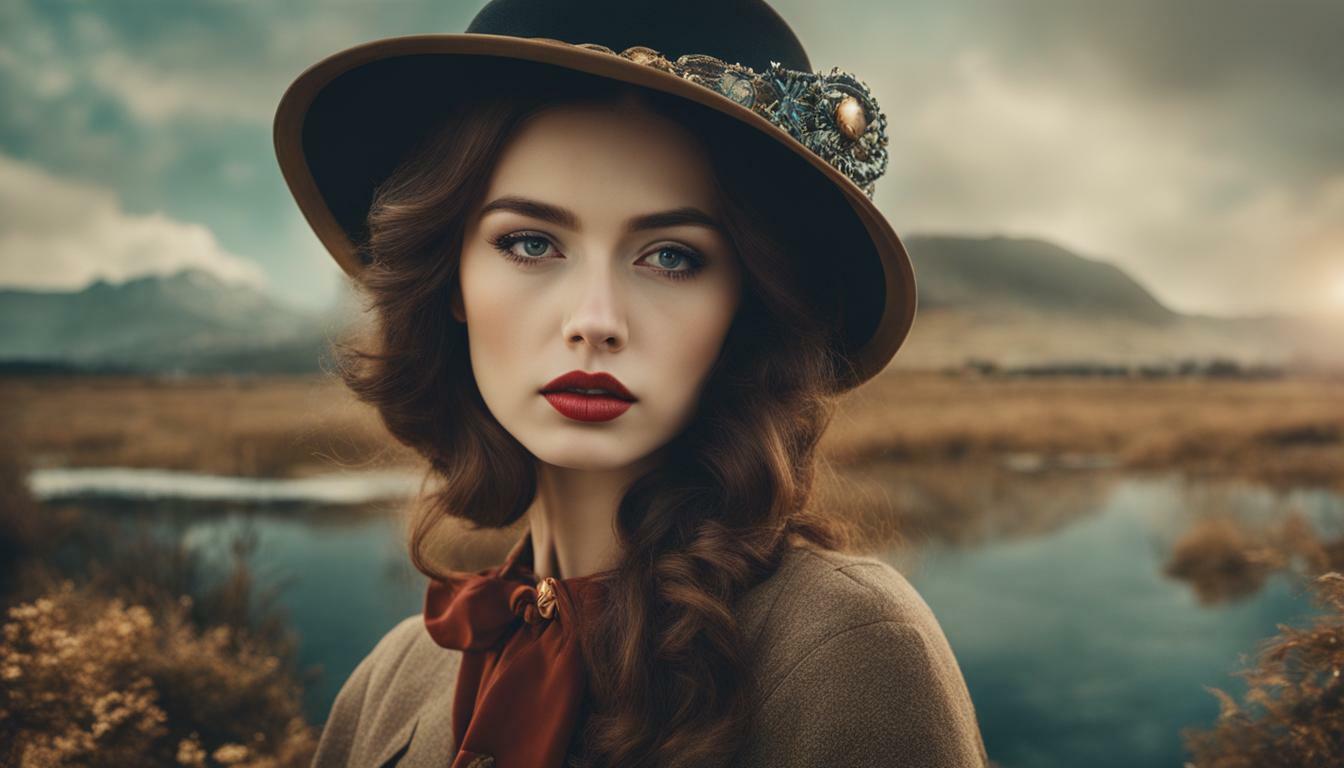
A theme is a constraint that helps the photographer decide what belongs in the frame. It does not need elaborate styling. A person at their workbench may tell a clearer story than a vintage costume that has no connection to them.
Six portrait ideas with a practical setup
- A familiar place. Photograph the person in a room, street or landscape they chose. Include enough environment to explain the setting, then make a tighter frame for expression. Check the background for distractions and private information.
- A craft in progress. Ask the subject to do a real task—drawing, cooking, repairing or playing an instrument. Photograph hands and tools as well as the face. Do not stage a task they do not actually perform if the picture will be presented as documentary.
- One color. Use a plain background and one deliberate color relationship between clothing and setting. Move the person away from the wall if you want the background softer.
- Window light. Position the person near a window and turn them slowly to change the shadow pattern. A sheer curtain can soften direct sun. Make a frame facing the light and another with side light to compare.
- Movement. Have the subject walk, turn or settle into a chair. Use a faster shutter to keep them sharp, or make a controlled slow-shutter experiment if motion blur is the point.
- An object with meaning. Let the subject bring an item they can explain. Photograph a version with the object visible and a portrait without it; the second frame may still be stronger.
Show the subject the concept and ask what feels accurate to them. A good portrait theme should make their choices visible, not turn them into a generic type.
Turn an idea into a shoot plan
Suppose the subject chooses “the workshop” as a theme. Visit or ask for photographs of the space before the session. Identify a place where they can work normally, a clean enough background for a closer portrait and any safety or privacy restrictions. Plan a wide frame that establishes the room, a mid-distance frame of the person using a tool and a close portrait. The theme now guides concrete choices about location and sequence.
For a one-color theme, pick the actual clothing and backdrop together rather than promising a color in advance. Check that the person’s face and clothing separate from the background. A simple contrast in tone can be enough; matching everything exactly can flatten the image. For movement, choose an action the subject actually enjoys and repeat it. A dancer and a person walking to work need different timing and direction.
Choose the theme for the final use
| Use | Most useful frame |
|---|---|
| Professional profile | A recognizable face and a crop that works small |
| Artist statement | The person with their materials or workspace, if those details are relevant |
| Family keepsake | A place, action or object the subject wants remembered |
| Magazine feature | A portrait that supports the reported story and has a reliable caption |
Show the subject a few early frames and ask whether the setting and gesture feel accurate. If a prop seems imposed, remove it. The final portrait can be simple; a theme has done its job if it helped you decide what to include and what to leave out.
Frequently asked questions
What are simple portrait photography themes?
Try a familiar place, a real activity, one deliberate color, window light, movement or an object with personal meaning. Choose a theme the subject recognizes as their own.
How do I choose a portrait theme for someone?
Ask how the image will be used and what parts of the person or their work should be visible. Build the setting and props around that answer.
Do portrait themes require studio props?
No. A home, workshop or outdoor place can provide context without extra props. Use an object only when it adds information about the person.
How can I use window light for a portrait?
Place the subject near a window and turn them to compare front and side light. A sheer curtain can soften direct sun; check the background as well as the face.
How do I photograph movement in a portrait?
Give the subject a natural action such as walking or turning. Use a shutter speed that keeps the intended parts sharp, or deliberately allow blur when motion itself is the idea.
